

Most people don’t use headphones in just one place anymore. You might watch TV in the living room at night, then grab your phone or tablet during the day for videos, short clips, or casual listening. The problem is that many wireless headphones are optimized for only one scenario—either stable TV audio or convenient mobile pairing—so you end up switching devices, switching headphones, or dealing with extra setup every time.
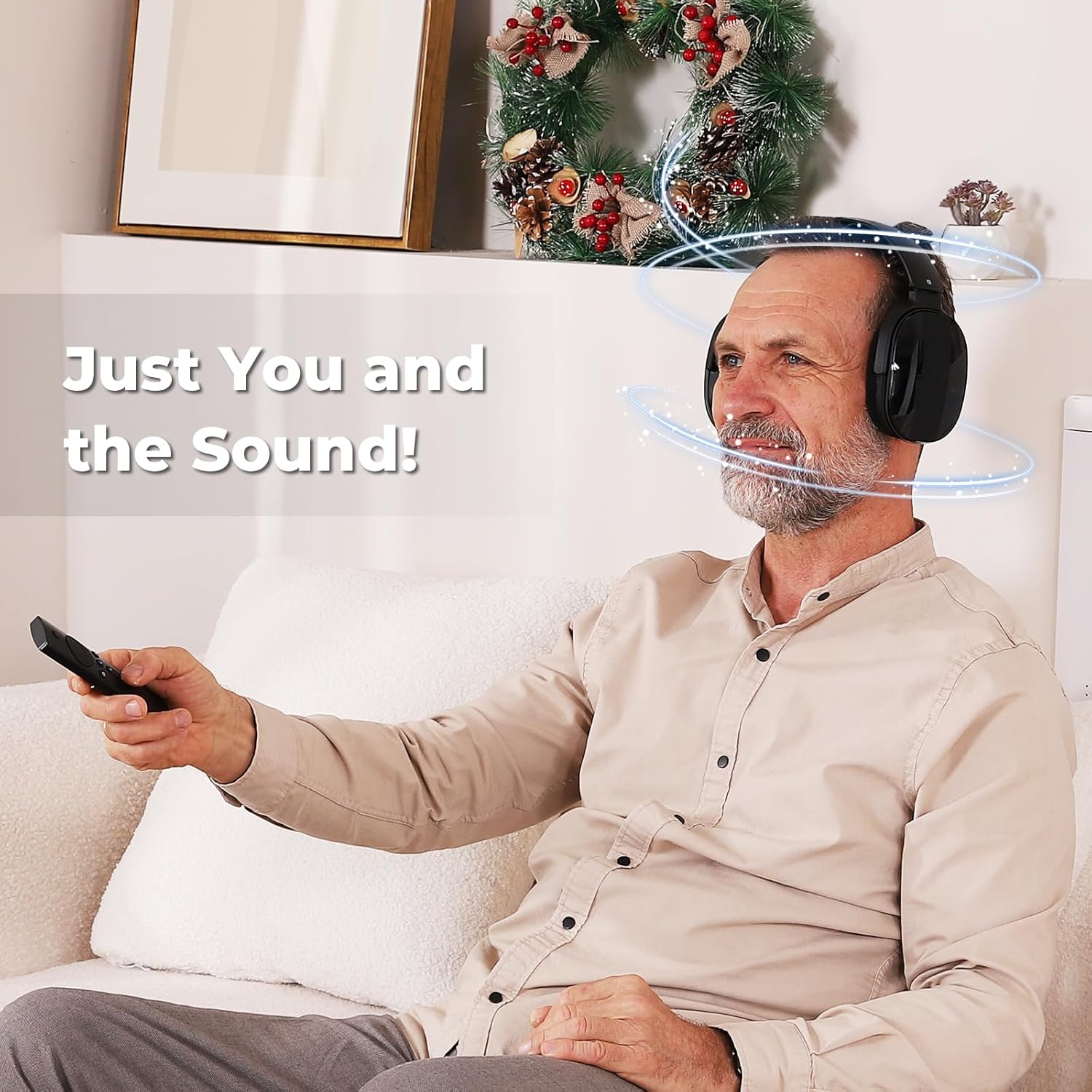
2.4G/Bluetooth Dual Mode Wireless Headphone
The Daysnew DB100 is built for that “two-worlds” reality. It's a 2.4G/Bluetooth Dual Mode Wireless Headphone designed to handle TV listening with a dedicated 2.4G mode, while also supporting Bluetooth for phones and tablets. Add in an optical connection option and a contact-charging transmitter, and the DB100 becomes less of a gadget and more of an everyday home audio tool.
Here’s a grounded look at what the DB100 is designed to do, and what buyers should pay attention to when choosing dual-mode headphones for real-life use.
Why Dual-Mode Matters More Than It Sounds
“Dual-mode” is easy to say, but it only matters if each mode solves a specific problem well.
2.4G mode is for TV stability
TV viewing is unforgiving when audio isn’t stable or doesn’t feel “locked” to the picture. That’s why many TV headphone systems favor dedicated wireless transmission. The DB100’s 2.4G mode is intended for TV use, where users want predictable connection behavior and comfortable home listening.
Bluetooth mode is for phones and tablets
Bluetooth is still the most common way to connect to mobile devices. The DB100’s Bluetooth mode is intended for phone and tablet use, so you can move from the living room to personal devices without changing hardware.
The real benefit is not “more features.” It’s a simpler routine: one headphone that fits the two places people actually listen.
The DB100 Features, Explained in Practical Terms
Below are the DB100’s listed features—and what they mean when you’re using the product day to day.
1) 2.4G Mode for TV, Bluetooth Mode for Phone and Tablet
This is the core design decision: two listening modes, each matched to common devices.
In a typical household, this helps with:
TV viewing at night in 2.4G mode, where you want stable listening in the same room
Mobile listening in Bluetooth mode, when you’re watching videos or playing audio on a phone/tablet
Just as important: since no microphone is listed in the product background, it’s safest to treat this headphone as primarily for listening use cases (TV audio, media playback), not for online meetings or call scenarios.
2) Optical Connection Version
TVs vary a lot in their outputs. Some rely on digital audio. The DB100 includes an optical connection version, which is a practical fit for modern TV setups where optical audio is commonly used.
Optical input is valuable because it supports:
A clean, stable audio path from the TV
A setup option that matches newer home entertainment hardware
3) Rechargeable Transmitter for Contact Charging
Charging is where many “wireless” products become inconvenient. Daysnew’s approach here is to make charging part of the routine by using a rechargeable transmitter for contact charging.
In real use, contact charging helps when:
You don’t want to handle cables daily
Multiple family members share the headset
You prefer a fixed, tidy “home base” for the headphone
You finish a session, place the headset back, and charging becomes a habit rather than a chore.
4) 30 Meters (2.4G) / 50 Meters (Bluetooth) Transmission Distance
Wireless range matters most in homes where people don’t stay perfectly still. The DB100 lists:
30 meters in 2.4G mode
50 meters in Bluetooth mode
These distances support practical movement: changing seats, stepping into nearby areas, or listening while doing light tasks around the house—depending on the mode you’re using.
Real Scenarios Where DB100 Fits Naturally
A good way to evaluate the DB100 is to map it to actual habits rather than “spec sheets.”
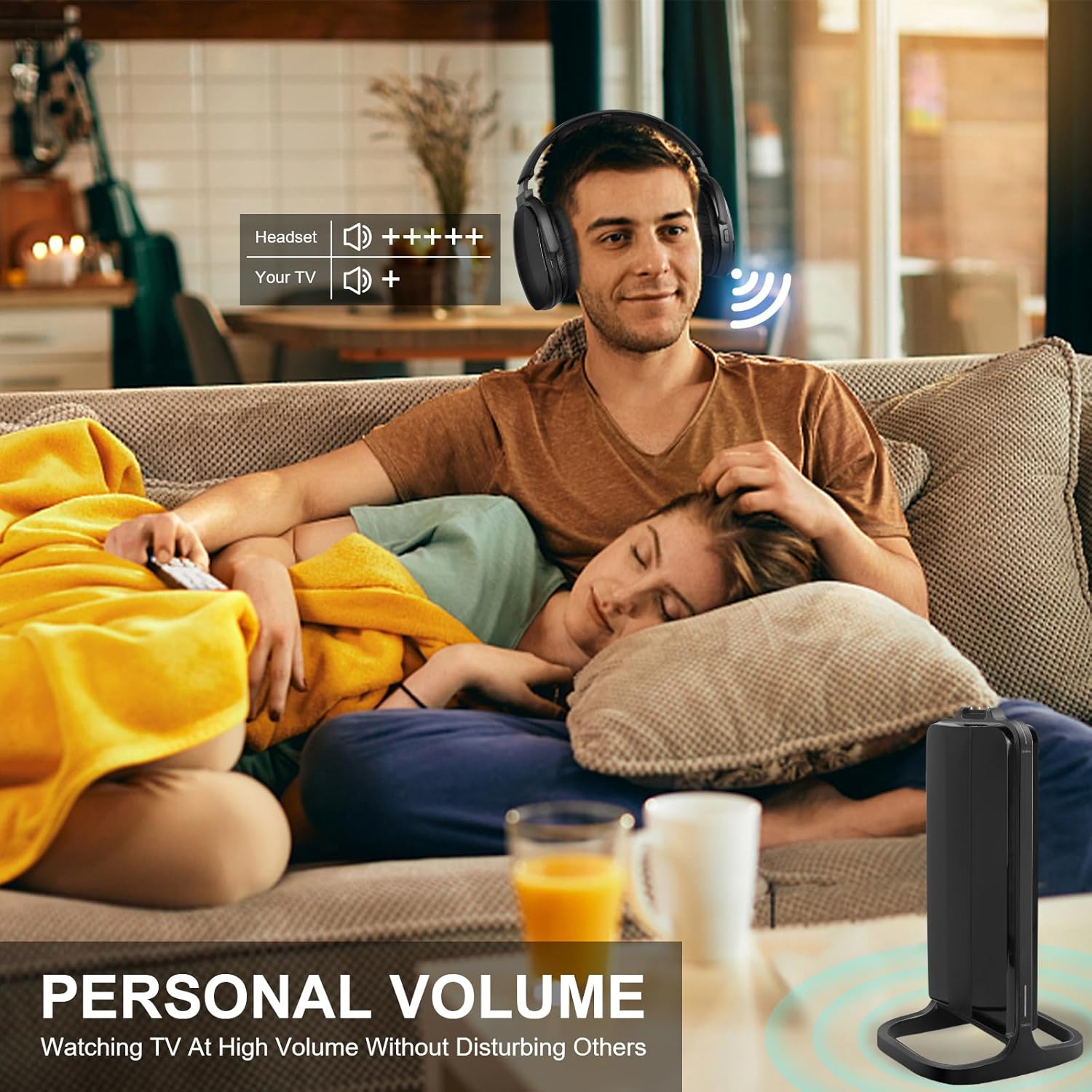
Scenario A: Quiet TV Listening Without Disturbing Others
You want private TV audio at night. You use 2.4G mode for TV, keep the room quiet, and avoid turning the TV speaker volume up and down to accommodate everyone.
Scenario B: One Headphone for TV and Mobile Devices
You watch TV in the evening, but during the day you prefer a phone or tablet for content. You switch to Bluetooth mode and keep using the same headset rather than owning multiple pairs.
Scenario C: Cleaner Setup, Less Cable Stress
You dislike daily plug-in charging routines. The contact-charging transmitter reduces cable handling and keeps the listening station organized.
Scenario D: Modern TV Connection Needs
If your TV uses optical output, the optical connection version ensures the system can match that setup without forcing workarounds.
What Buyers Should Check Before Choosing Dual-Mode
If you’re selecting a dual-mode system—especially as a buyer, distributor, or product planner—these checks keep the choice grounded:
Do you need TV-first stability?
If yes, the 2.4G mode is the key feature to focus on.
Will it be used with mobile devices too?
If yes, Bluetooth mode saves you from maintaining separate headphones.
What TV connection type do you need?
If your market includes modern TVs, optical connection options matter.
Is charging simplicity important to your target user?
Contact charging can make adoption easier for routine home use.
Range expectations in real spaces
30m (2.4G) and 50m (Bluetooth) provide flexibility—especially in typical home movement patterns.
Used carefully (without stuffing), these phrases help the page attract visitors who are already searching with procurement intent rather than casual browsing intent.
Daysnew designs wireless audio solutions across multiple categories, and the DB100 sits in the sweet spot for users who want one headset that fits both TV listening and mobile device playback—supported by practical connection and charging choices.

